
Tirzepatide Sourcing for Weight Loss Clinics in 2026
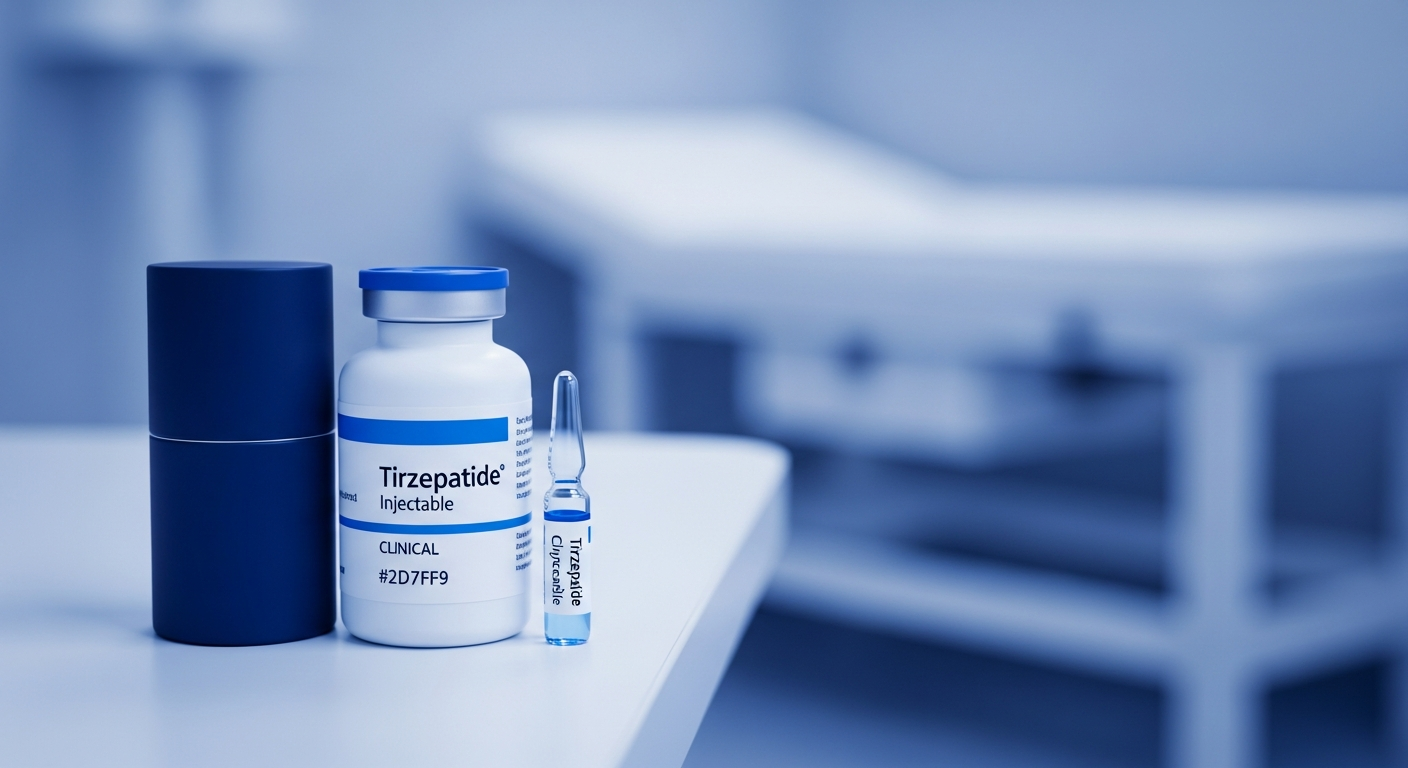
Evaluate tirzepatide sourcing proposals against FDA shortage guidance, source verification, documentation requirements, and clinic purchasing controls.
For facility-specific purchasing requirements, visit our medical weight loss clinics sourcing guide. This article covers procurement, not treatment protocols.
Use the current FDA position
FDA reaffirmed resolution of the tirzepatide injection shortage in December 2024. Its April 1, 2026 update states that tirzepatide is not on the 503B bulks list or shortage list. Old shortage-era sales materials are not a reliable purchasing basis.
Identify what is actually being offered
Distinguish an FDA-approved product from a compounded preparation. Get the legal supplier name and confirm the actual dispensing or compounding entity through independent contact details. FDA has reported fraudulent labeling that names pharmacies which did not make the product.
Require the exact specification
Review ingredient, concentration, package, labeling, and applicable storage requirements. A similar-looking vial or familiar product name does not establish equivalence. Clinical staff must review formulation changes; purchasing staff should not infer dose conversions.
Challenge claims of automatic exemption
Do not accept “personalized,” “with vitamins,” or “for clinics” as proof that a preparation meets compounding requirements. Ask qualified reviewers to evaluate the restrictions on essentially copies and other applicable conditions for the exact transaction.
Build a continuity plan within the rules
Escalate unavailable stock to the treating clinician and communicate only confirmed supply information. Track open orders and expected receipt dates without promising a substitution. The clinic inventory guide explains stock control, not authorization to obtain otherwise ineligible products.
What to do next
Record unresolved questions and the evidence your clinical or quality reviewer needs before ordering. Use the medical weight loss clinics purchasing page to prepare a facility-specific inquiry. Product mentions do not confirm stock, a legal supply pathway, or suitability for patient care.
Regulatory sources and purchasing limits
Compounded drugs are not FDA-approved. Facility registration does not establish approval or eligibility for every preparation. Verify the exact product, source, applicable federal requirements, and state rules before ordering. This is procurement education, not medical or legal advice.
- FDA: bulk substances used under section 503B, including restrictions and interim policies.
- FDA: GLP-1 compounding and shortage updates.
- FDA: safety concerns for certain compounding substances.
FDA: concerns with unapproved GLP-1 drugs, including retatrutide and semaglutide salt forms.