
Retatrutide for Clinics: FDA Status and Purchasing Risks
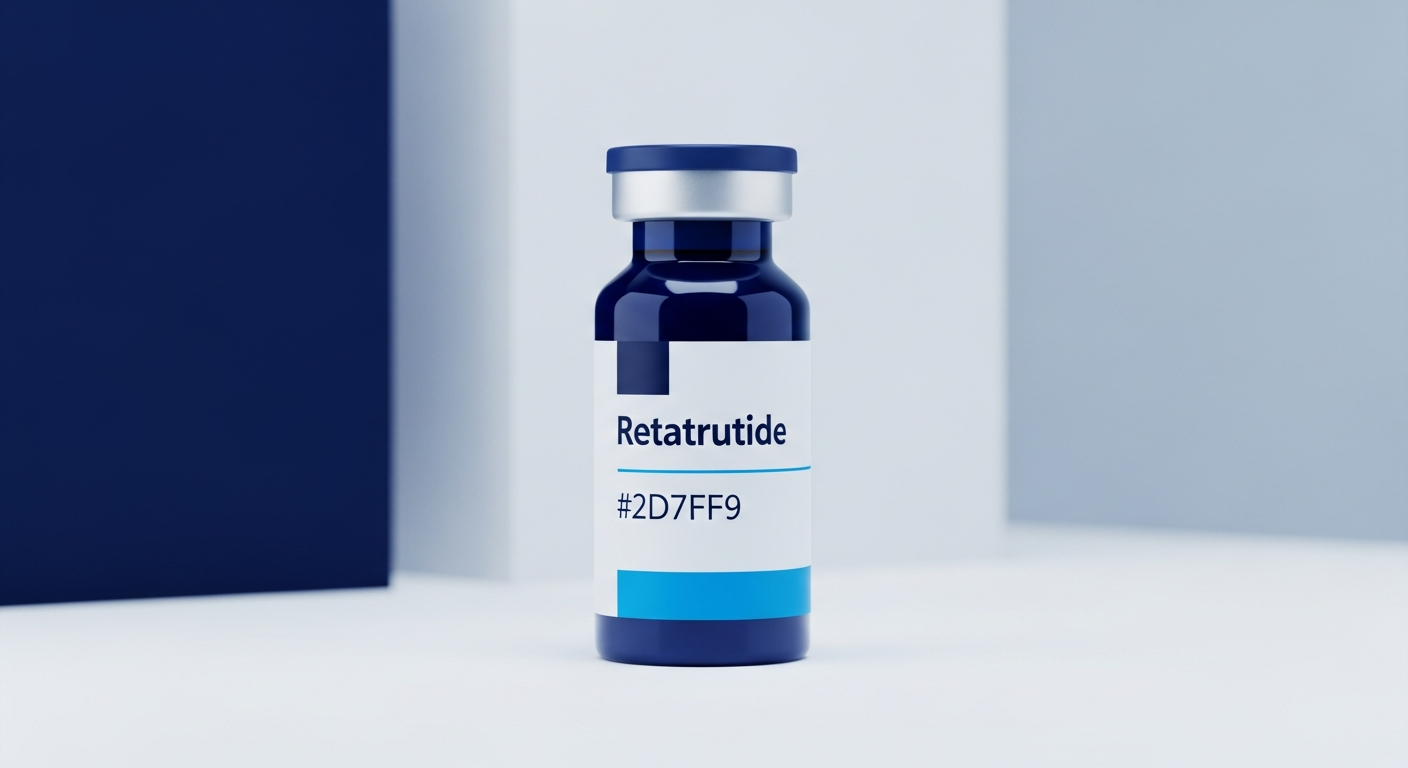
Read FDA’s position on retatrutide compounding and learn why research labeling, supplier COAs, and clinical interest do not authorize clinic purchasing.
For facility-specific purchasing requirements, visit our medical weight loss clinics sourcing guide. This article covers procurement, not treatment protocols.
FDA’s statement is explicit
FDA states that retatrutide cannot be used in compounding under federal law, is not a component of an FDA-approved drug, and has not been found safe and effective for any condition. This page is informational and does not offer retatrutide for clinical use.
Research labeling does not solve the problem
A “research use only” label is not a route for buying a substance to administer to patients. Clinical interest, a published study, or a clinician’s license does not by itself authorize routine clinical procurement.
A COA answers a different question
An analytical report may describe tested material, but it cannot establish regulatory authorization or clinical safety and efficacy. Do not treat a high purity result as permission to purchase for treatment.
Handle supplier offers as an escalation
Keep the offer and labeling for review, do not place it on the approved purchasing list, and refer it to the responsible clinical and compliance reviewers. Avoid copying unverified supplier claims into patient-facing advertising.
Keep research access separate from commercial supply
Questions about legitimate investigational access belong with the treating clinician and authorized research channels, not a general wholesale quote. Recheck official FDA information rather than assuming anticipated research milestones have changed the legal position.
What to do next
Record unresolved questions and the evidence your clinical or quality reviewer needs before ordering. Use the medical weight loss clinics purchasing page to prepare a facility-specific inquiry. Product mentions do not confirm stock, a legal supply pathway, or suitability for patient care.
Regulatory sources and purchasing limits
Compounded drugs are not FDA-approved. Facility registration does not establish approval or eligibility for every preparation. Verify the exact product, source, applicable federal requirements, and state rules before ordering. This is procurement education, not medical or legal advice.
- FDA: bulk substances used under section 503B, including restrictions and interim policies.
- FDA: GLP-1 compounding and shortage updates.
- FDA: safety concerns for certain compounding substances.
FDA: concerns with unapproved GLP-1 drugs, including retatrutide and semaglutide salt forms.