
503A vs 503B: What Clinic Buyers Need to Verify
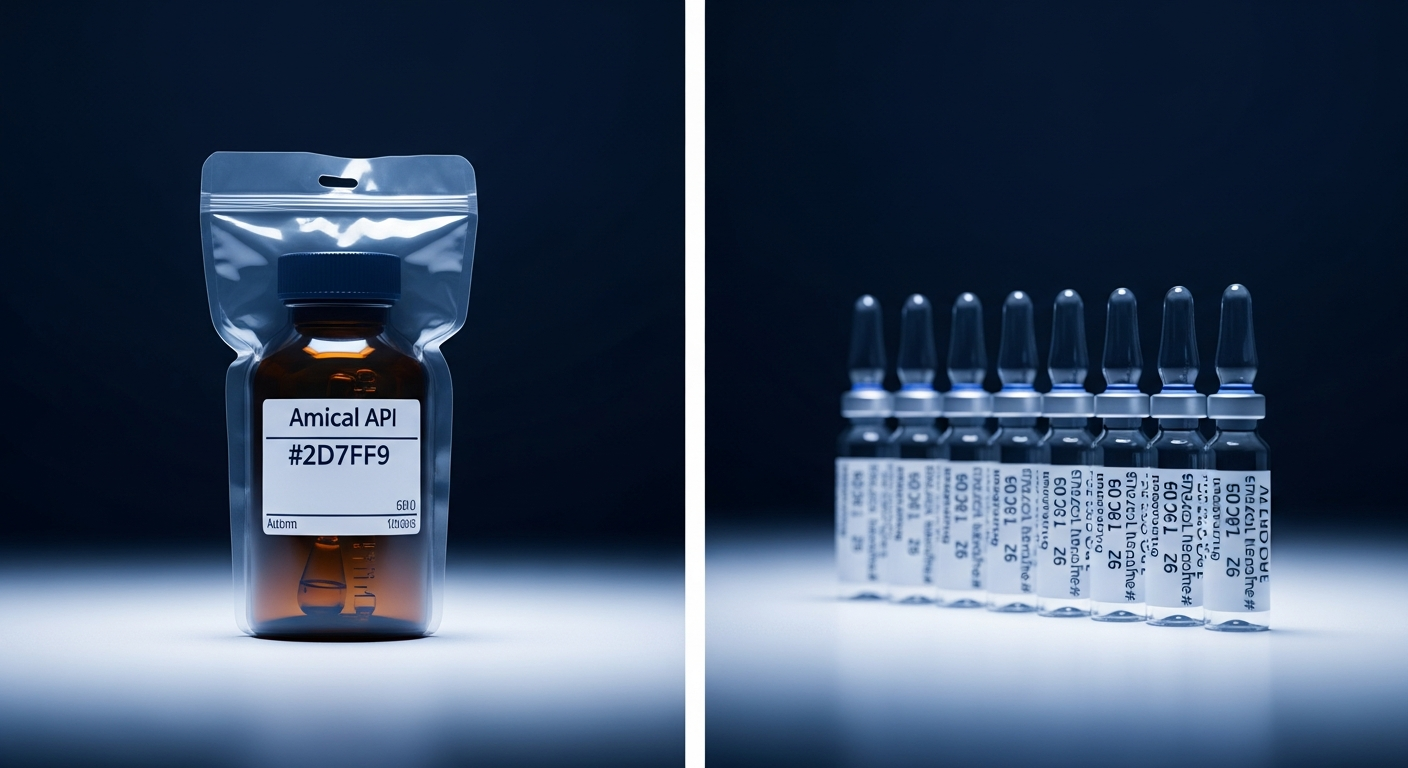
Understand patient-specific prescriptions, office-use sourcing, bulk-substance restrictions, and why facility registration does not establish product eligibility.
For facility-specific purchasing requirements, visit our medical clinics sourcing guide. This article covers procurement, not treatment protocols.
Start with the intended transaction
Ask whether you are arranging a prescription for an identified patient or purchasing office inventory. Those are different transactions. Neither a supplier label nor the clinic’s business category is enough to determine the correct pathway.
Understand the patient-specific framework
Section 503A generally concerns compounding by qualifying state-licensed pharmacies or physicians for identified patients, subject to statutory conditions. It is not a generic bulk purchasing route for clinic stock. Prescriber documentation and applicable state rules require review for the actual transaction.
Understand the outsourcing-facility framework
A registered 503B outsourcing facility may supply compounded preparations without patient-specific prescriptions when applicable conditions are met. Registration does not approve its drugs. Requirements include manufacturing controls and restrictions on bulk substances and essentially copies.
Check the substance, not just the facility
FDA describes restrictions on 503B bulk substances and separate interim enforcement policies. A nomination or category listing is not FDA approval. Review the current source documents, the exact preparation, and the applicable conditions rather than relying on a generic “503B eligible” badge.
Put the decision in the purchasing file
Document the source, preparation, intended use, destination, reviewed evidence, and approving professional. State rules can add requirements. Revisit the decision if the formula, source, intended use, or regulatory position changes.
What to do next
Record unresolved questions and the evidence your clinical or quality reviewer needs before ordering. Use the medical clinics purchasing page to prepare a facility-specific inquiry. Product mentions do not confirm stock, a legal supply pathway, or suitability for patient care.
Regulatory sources and purchasing limits
Compounded drugs are not FDA-approved. Facility registration does not establish approval or eligibility for every preparation. Verify the exact product, source, applicable federal requirements, and state rules before ordering. This is procurement education, not medical or legal advice.
- FDA: bulk substances used under section 503B, including restrictions and interim policies.
- FDA: GLP-1 compounding and shortage updates.
- FDA: safety concerns for certain compounding substances.